
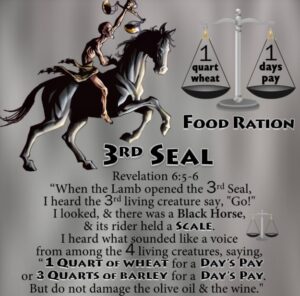
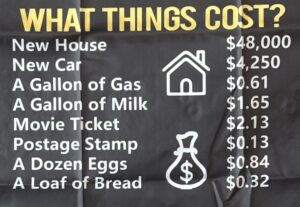
1976
According to data and reporting from international humanitarian organizations, including the UN Food and Agriculture Organization (FAO), the World Food Programme (WFP), and Action Against Hunger, several nations are currently experiencing critical food insecurity due to skyrocketing food prices, extreme currency depreciation, conflict, and supply chain disruptions.
The primary nations and regions facing severe struggles to feed their populations include:
1. Nigeria
The Situation: Severe food price inflation combined with currency devaluation, rising fuel costs, and localized conflict has led to extreme cost-of-living spikes.
The Impact: Tens of millions of people are facing crisis-level food insecurity, with millions of young children suffering from acute malnutrition.
2. Sudan
The Situation: Ongoing war and conflict have crippled local agricultural production, destroyed transport infrastructure, and triggered a collapse of the Sudanese pound, causing hyperinflation on basic food staples.
The Impact: Famine has been formally declared in parts of Sudan (such as regions in North and South Darfur). Tens of millions are facing acute hunger.
3. Somalia
The Situation: A combination of severe climate shocks (droughts and floods), rising global fuel and transport costs, and localized rejection/collapse of the Somali shilling has driven basic food prices beyond reach for millions of households.
The Impact: Millions face severe hunger levels, with specific districts at risk of famine.
4. Yemen
The Situation: Years of prolonged conflict combined with severe economic instability, high import costs, and extreme weather events (drought and flooding) have driven the prices of imported staple foods to record highs.
The Impact: Over 19 million people require urgent humanitarian food assistance.
5. Palestine (Gaza Strip)
The Situation: Near-total destruction of agricultural land, extreme blockades, destroyed local markets, and supply disruptions have caused food prices to skyrocket to unaffordable levels.
The Impact: Gaza experienced confirmed famine conditions alongside Sudan, marking an unprecedented hunger crisis.
6. South Sudan
The Situation: Severe flooding, displacement from conflict, heavy restrictions on humanitarian aid, and currency devaluation have pushed food prices to historic highs.
The Impact: Widespread crisis-level food insecurity with lingering famine risks.
Proof & Key Data Sources
1. UN World Food Programme (WFP) & FAO – Global Report on Food Crises:
Tracks global hunger and hunger hotspots annually.
Identifies over 260+ million people facing crisis-level acute hunger, heavily driven by inflation, currency collapse, and conflict disruption.
2. Action Against Hunger Reports:
Documents specific price spikes (such as fuel and transport costs impacting food prices in West and East Africa) and tracks regions under active famine watch.
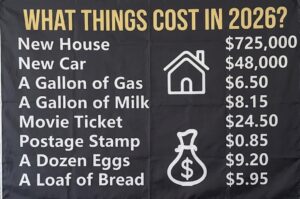
Major international economic analyses and agricultural forecast reports project that global food prices will face persistent upward pressure moving into 2027.
While domestic models like the USDA’s Food Price Outlook project localized cooling or moderate grocery inflation in the U.S. (forecasting grocery inflation at 2.1% in 2027), global macro financial reports and international agency warnings highlight a sharper worldwide spike.
Key Reports & Forecast Data
1. JPMorgan Financial Report: “Food Security is National Security: A Compounding Storm”
The Projection: JPMorgan projects that global food inflation will accelerate sharply, rising from around 2.8% in early 2026 to roughly 5.0% on an annualized basis by the first half of 2027.
Impact on Overall Inflation: This acceleration is estimated to add approximately 0.6 percentage points to global headline inflation.
Core Drivers (“The Five Ws”):
War & Geopolitics: Continued export restrictions and ongoing disruptions to Black Sea grain infrastructure constrain wheat and grain flows.
Warehousing & Inputs: Fertilizer market disruptions (nitrogen and phosphate) and regional transport bottlenecks drive up basic production costs.
Weather & Water: High probability of a persistent El Niño event into 2027 adds severe risk premiums to soft commodities (coffee, sugar, cocoa, and rice).
Energy Spillovers: Spiking diesel and fuel costs strain agricultural logistics, harvesting machinery, and ocean freight rates.
2. UN Food and Agriculture Organization (FAO) & WFP Outlook
Fertilizer & Supply Spillovers: The FAO warns of a delayed effect: lower fertilizer application rates by farmers in 2026—driven by supply frictions and energy shocks—will directly limit agricultural yields during the 2026/2027 harvest cycles.
Global Cereal Production Dip: FAO forecasts a 2.0% decline in aggregate global cereal output (including a 3.8% drop in global wheat production), which is expected to tighten commodity markets into 2027.
Hotspot Vulnerability: The FAO and World Food Programme (WFP) note that developing nations, particularly low-income net food importers, face the greatest risk as currency devaluation amplifies global price spikes.
3. USDA Food Price Outlook (August 2026 Update)
The Projection: Modest deceleration for overall U.S. food prices, with food-at-home (groceries) forecast to rise by 2.1% in 2027.
Structural Category Increases: Despite lower average projections, specific essential food categories remain on a steep upward trajectory due to long-term supply constraints:
Beef & Veal: Small cattle herd sizes mean retail beef prices will stay near record levels.
Fresh Produce & Beverages: Coffee, tea, sugar, and fresh vegetables continue to show strong upward price momentum due to weather disruptions.
High Uncertainty: The USDA’s 95% forecast interval for 2027 food-at-home spans from a 5.7% decline to a 10.5% increase, reflecting extreme volatility in energy, climate, and geopolitical variables.
While the scale of emergency in the United States differs from active famine zones, millions of American families face severe food insecurity. Rather than absolute food shortages, the crisis in the U.S. is driven by affordability, cumulative inflation, and the high cost of living.
Key Data & Numbers in the United States
Extent of Food Insecurity: Official USDA data indicates that approximately 13.7% of U.S. households (around 18.3 million households) experience food insecurity during the year. This translates to nearly 48 million Americans, including over 14 million children, who lack reliable access to sufficient food.
Households with Children: Rates are higher for families—18.4% of households with children face food insecurity. In roughly half of these cases, adults skip meals to ensure their children have food.
The “Shortfall” Gap: Research from Feeding America shows that food-insecure individuals in the U.S. report needing an average of $23.16 more per person per week just to cover basic grocery needs. Nationally, this leaves a food budget shortfall exceeding $33 billion annually.
Primary Causes for U.S. Household Struggles
1. Cumulative Price Stacking: Even as annualized food inflation rates moderate (hovering around 2.5% to 3.0%), grocery prices remain stacked on top of the dramatic spikes from previous years. Essential items like fresh vegetables, sugars, beef, and bakery goods continue to rise above historical averages.
2. The “Too Rich for Assistance” Gap: Approximately 25 million food-insecure individuals earn just above the income eligibility threshold for federal SNAP benefits (food stamps), leaving them without government assistance while still unable to afford rising grocery bills.
3. Competing Basic Costs: Food is often a flexible budget line item compared to fixed costs. High housing/rent prices, utility costs, and childcare expenses force families to cut their food budgets first to pay fixed bills.
4. Disproportionate Impact on Seniors & Rural Areas: Over 12 million older adults and seniors face food insecurity, often living on fixed incomes that fail to keep pace with grocery costs. Geographically, more than 8 out of 10 counties with the highest food insecurity rates are located in rural areas or the American South.
Documented Proof & Reports
USDA Economic Research Service (ERS): Publishes the annual Household Food Security in the United States report and the monthly Food Price Outlook, documenting household hardship levels and consumer price index metrics.
Feeding America (Map the Meal Gap): Tracks county-by-county food insecurity data, meal shortfall costs, and food pantry demand across all 50 states.
America’s next grocery shock is brewing

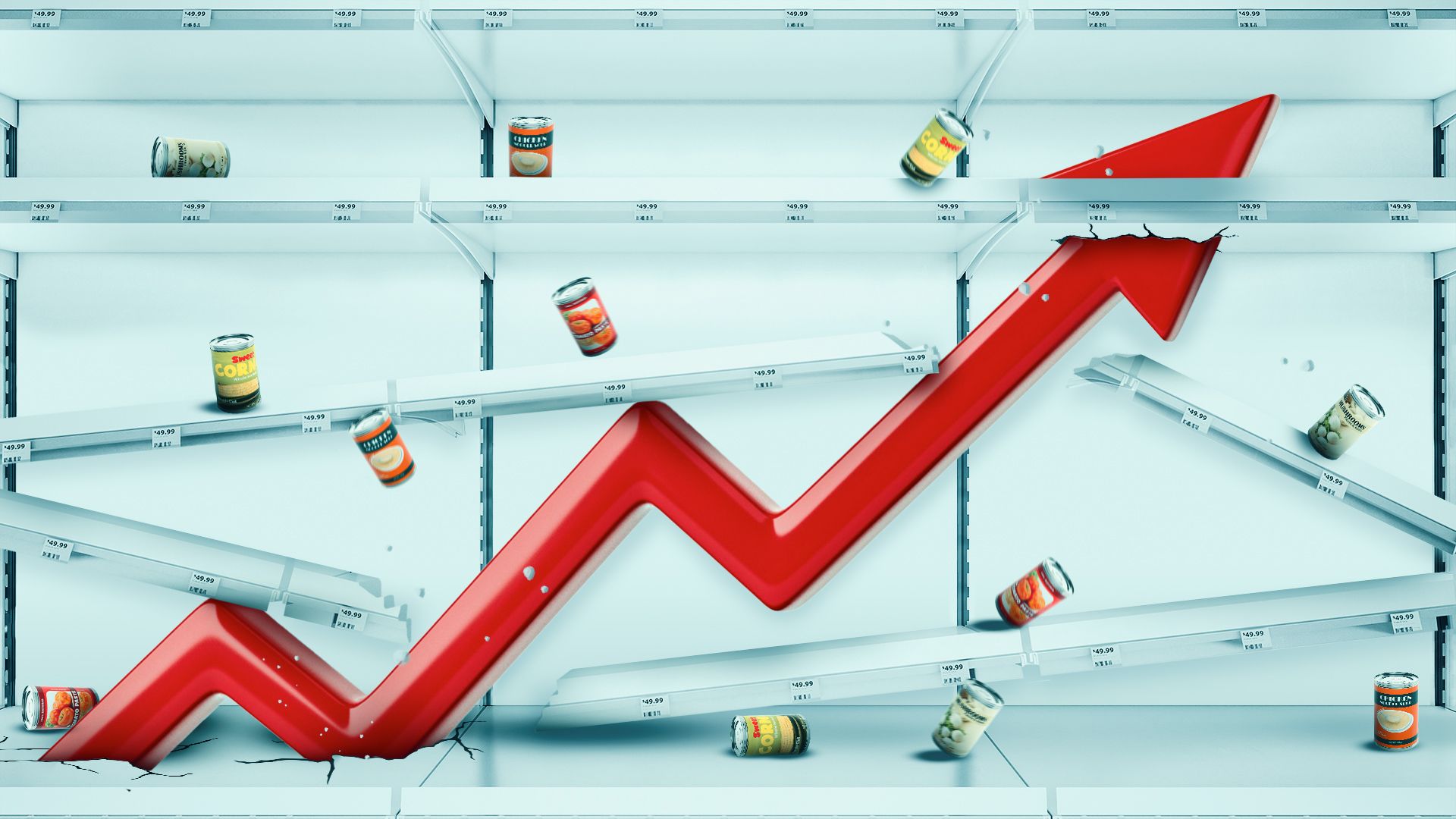
https://www.axios.com/2026/08/30/grocery-inflation-prices-war-diesel
Nepal warns of possible fresh flooding as communities grapple with devastation
The Capital Area Food Bank & Regional Food Networks: Reports indicate that food banks across major metropolitan areas continue to report record or near-record visitor volumes, matching or exceeding pandemic-era demand.
Authorities in Nepal are warning of potential fresh flooding as water levels rise in the Bhotekoshi River.
https://apnews.com/article/nepal-china-flood-galchhi-warning-afec20e612514ca3598c65b29f485303
Grand Canyon flash floods leave around 15 missing as dozens are evacuated, park officials say
https://www.cbsnews.com/news/grand-canyon-national-park-flood-evacuation-helicopter-rescue-phantom-ranch
Illinois sets US state record for most tornadoes in a year
While Tornado Alley states have languished this year, tornado numbers are up in the Midwest, with Illinois setting a new national record.
https://www.accuweather.com/en/severe-weather/illinois-sets-us-state-record-for-most-tornadoes-in-a-year/1927594

US strikes Iranian rocket launchers on the Strait of Hormuz in first military action in weeks
https://apnews.com/article/iran-strait-hormuz-strike-united-states-6b098da673ac3161a266ee459d5eff44
Matthew chapter 24 Jesus warned about the disease diseases in the last days!
Quarantine horror for Martha’s Vineyard as experts warn over risk from deadly infected BATS across America
https://www.dailymail.com/news/article-16081501/marthas-vineyard-rabies-bats-quarantine.html

Deadly ancient disease is making a comeback in the US, experts warn… as they reveal the surprising reason why and how to protect yourself
https://www.dailymail.com/health/article-16085141/leprosy-surge-florida-armadillo-contaminated-soil.html

NYC-funded puppet show turns into Israel bashing hatefest: ‘Came out of nowhere’
https://nypost.com/2026/08/29/us-news/nyc-funded-puppet-show-turns-into-israel-bashing-hatefest-came-out-of-nowhere

Just to let everyone know I will not be posting today 19 August I will resume posting on the 20th

‘Never buy Girl Scout cookies again’: Girl Scouts in America take deep dive into promotion of Islam
Do they have a badge for the 10 Commandments? Or key concepts of the Declaration of Independence? Or the first 10 amendments to the Constitution?’ The US Girl Scouts organization had already plunged into transgenderism and abortion, with ideologies that support such leftist agendas. Now the group is jumping into Islam.
Besides my prophecy book, The Last Chronicles of Planet Earth, I have posted other study guides you see below. All of my work is free.
https://endtimesresearchministry.com/wp-content/uploads/2026/07/The-Last-Chronicles-of-Planet-Earth-July-28-2026-Edition-by-Frank-DiMora-2.pdf


DIMORA’S FREE DOWNLOAD LIBRARY AND MY FINAL LETTER TO THOSE WHO MISS THE RAPTURE OF THE CHURCHDownload